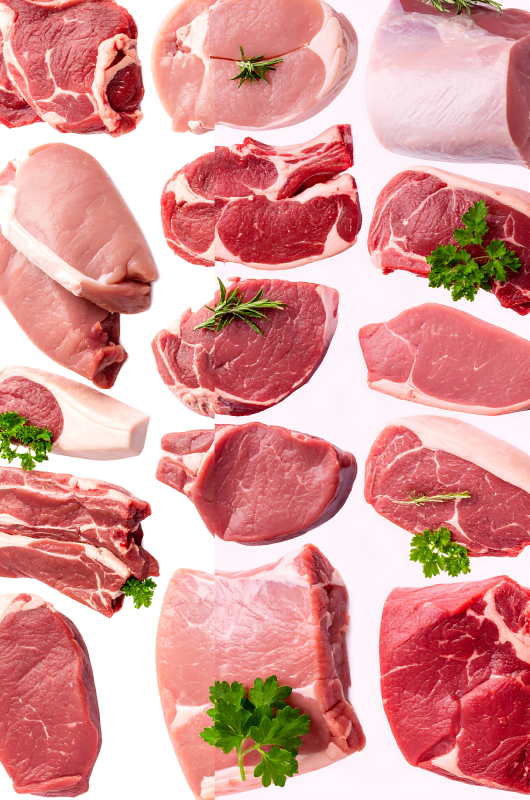
Free-range meat
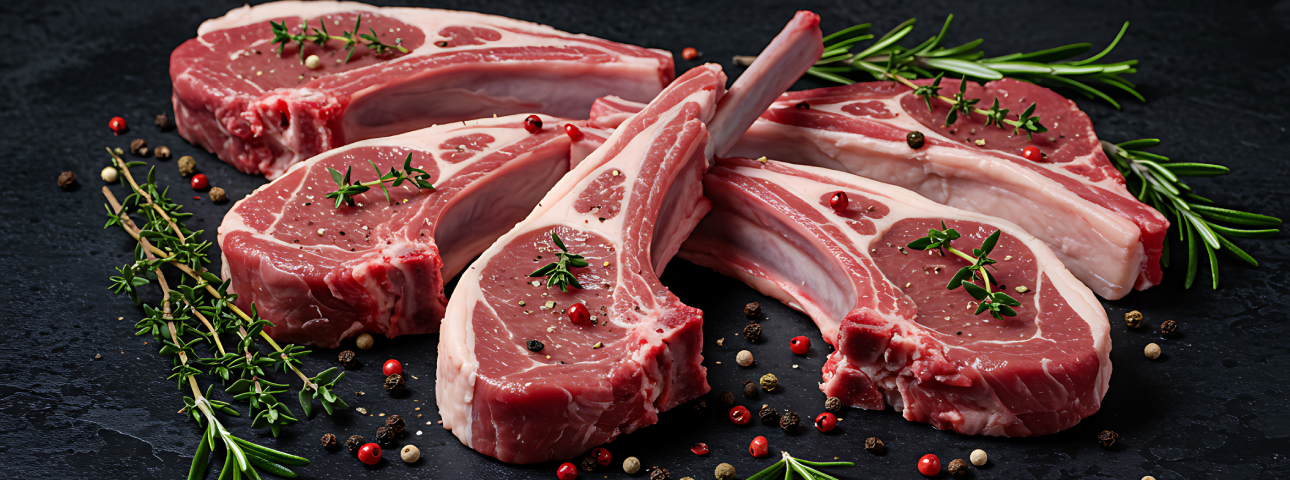
Origins, Strengths & Why It Excels
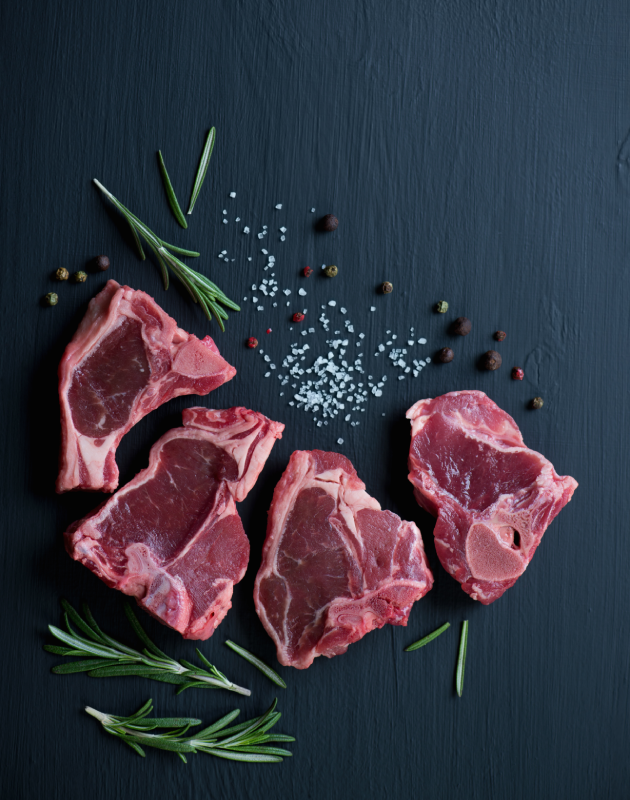
Free-range meat describes livestock raised in open, natural environments with room to roam and graze, rather than being confined in feedlots.
Animals are reared without routine antibiotics or growth stimulants, and their diets come largely from pasture, which produces healthier, more flavourful meat.
Across South Africa, consumer awareness and demand for these standards are increasing, and some producers follow formal protocols (such as Greenfields and Woolworths) to ensure transparency and welfare compliance.

Key Strengths & Performance Highlights
Health & Nutrition
Free-range meats often have better ratios of omega-3 to omega-6 fats, lower saturated fat, and fewer chemical residues thanks to natural diets.
Taste & Quality
Natural forage, movement, and pasture access contribute to richer, more robust flavour, firmer texture, and wholesome character.
Animal Welfare
Animals enjoy lower stress, natural behaviour, outdoor living, and better welfare overall.
Environmental Benefits
Sustainable pasture management, rotational grazing, and lower input systems help improve soil health, biodiversity, and reduce environmental strain.
Enhanced Nutrient Density
Free-range meat often has a more balanced omega-3 to omega-6 ratio, higher antioxidants and phytonutrients, and lower total fat compared to conventionally raised meat.
Standards & Breed Management
While there’s no universal national regulation defining “free-range” for beef/lamb, credible farms adhere to voluntary or third-party standards. For example:
Greenfields Protocol mandates large pastures, free access to food and water, minimal supplementation, and no hormones or routine antibiotics.
SAMIC audits meat classification and branding (including free-range labels) to ensure accuracy and traceability from farm to table.
Key welfare guidelines include pasture access, natural forage diets, and compliance with the Five Freedoms (freedom from hunger/thirst; discomfort; pain/injury; fear/distress; ability to express normal behaviour).
Why It Matters for Farmers
For farmers, adopting free-range practices can command premium pricing, build stronger consumer trust, and reduce dependency on intensive inputs like antibiotics or growth hormones.
It also helps manage risk: livestock better able to adapt to climate, forage variability, and health challenges. For consumers, free-range meat means not only better nutrition and flavour, but ethical assurance and greater transparency in food sourcing.
As market demand shifts toward sustainably produced, clean meat, free-range farms are well-positioned to lead.